Every site is different, so we give you a free, no-obligation assessment and quote based on the space and the scope of work. Call, WhatsApp or send the form and we'll come back to you the same day.
We offer same-day and 24/7 emergency response island-wide. For an urgent mold, virus or odor problem, call or WhatsApp and our in-house team will arrange the fastest available slot.
We serve homes, offices, hotels, F&B and institutions island-wide, working out of our base at Eastlink Building in Bedok.
Our in-house technicians are accredited by the Restoration Industry Association, the Indoor Air Quality Association, the IICRC, bizSafe3 and the Carpet & Rug Institute. We never subcontract.
BioProtect is our antimicrobial surface coating, the BIOPROTECTUs System. It is EPA-registered and NSF-D2 rated, and it keeps working on treated high-touch surfaces for up to 90 days.
Yes. We schedule around your operations and can work after hours, so treatment does not disrupt your guests, your staff or your family.
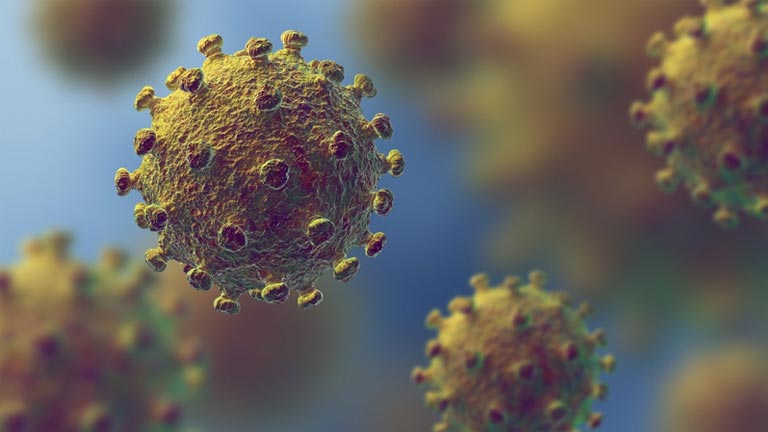
Routine cleaning removes visible dirt but often misses the high-touch and hard-to-reach points where viruses and bacteria transfer. We fog a hospital-grade disinfectant so it reaches surfaces evenly, give it the dwell time it needs to work, and can finish with the BioProtect coating so treated surfaces keep self-disinfecting for up to 90 days rather than only at the moment of cleaning.
Yes. BioProtect is registered as an NSF D2 sanitizer for use on food-contact surfaces and is made with zero triclosan, heavy metals, arsenic or phenols, so it can be applied in kitchens, F&B outlets, childcare centers and clinics. We wipe down food-contact and frequently handled surfaces once the disinfectant has had its dwell time.
We offer same-day and 24/7 emergency response for outbreaks and urgent decontamination. The space only needs to stay clear while the disinfectant is applied and dries. Once surfaces are dry, most rooms can be reoccupied the same day, and our technicians confirm timing on site based on the size of the space and the surfaces involved.
We can. BioProtect bonds to HVAC surfaces, and viruses, bacteria and odor-causing residue often collect inside ductwork out of sight. For heavily soiled systems we pair disinfection with our air duct cleaning service so the ducts are physically cleaned before they are treated.
An inspection diagnoses the problem: it confirms whether mold is present, how much and where, identifies the moisture source, and produces a report with a recommended scope. Removal, or remediation, is the physical work of containing, removing and treating the mold afterward. Many jobs begin with an inspection so the removal is targeted, and we offer both.
Not always. A visual and moisture survey is enough for many straightforward cases. Sampling adds value when mold may be hidden, when you need to identify the type present, when there is a dispute or a property transaction, or as clearance testing after remediation. We advise what is worth sampling rather than testing for the sake of it.
Yes. This is known as clearance or post-remediation testing. Once the visible mold is gone, air and surface sampling compared against an outdoor baseline confirms spore levels have returned to normal and that the moisture source has been resolved, so you are not left wondering whether it will come back.
Because cleaning removes what you can see but not the moisture that feeds it. Mold will not grow without moisture, so if a leak, condensation or a humidity problem remains, it regrows in the same spot. A large part of our inspection is finding and documenting that moisture source so it can be fixed.
Most residential inspections take from one hour to a few hours depending on the size of the property and how much sampling is involved, and you do not need to move out. Where samples are sent to the laboratory, the results follow in the written report once the analysis is complete.
Bleach can lighten the surface stain, but it does not remove mold from porous materials like drywall or ceiling board, where the roots remain. Wiping also disturbs the colony and scatters spores into the air, and dead mold left in place still needs to be physically removed. For anything larger than a small patch, or mold that keeps returning, professional remediation removes it at the source and contains the spores so they don't spread through your home or office.
It depends on how large the affected area is and how deep the mold has grown into the materials. A single room is often completed in a day, while larger jobs or hidden growth behind walls and ceilings take longer. We give you a clear scope and timeline after inspecting the site, and same-day and 24/7 response is available for urgent situations.
Mold returns when moisture stays, so controlling the water source is part of the job. We trace and address the leak, damp, or humidity feeding the growth, dry the structure, and apply the BioProtect antimicrobial coating to the cleaned surfaces. If an underlying moisture problem is left unresolved, mold can regrow, which is why we treat the cause and not just the visible patch.
Yes. Mold removal pairs naturally with our mold inspection and indoor air quality (IAQ) testing services. We can locate hidden growth and moisture before removal, and re-check surfaces and air after the work, so you have confirmation that the area has been properly cleared.
Yes. Our containment method seals off the work zone and keeps it under negative air pressure, so we can remove mold with minimal disruption to the rest of the premises. We schedule around your operations, including after-hours work for offices, hotels, and F&B outlets that need to stay open.
We measure the gases in your air (carbon dioxide, carbon monoxide, formaldehyde and ozone), total volatile organic compounds (TVOC), respirable suspended particulates from about 0.75 to 10 microns, relative humidity, temperature, and airflow. We also sample for total bacteria and fungal counts, with mold and bacteria speciation from air or swab samples. Together these show what is in your air and why a space feels the way it does.
Consider testing if occupants report a stale or stuffy space, if there is a musty smell or visible mold, after a new fit-out or new furniture when VOCs and formaldehyde are off-gassing, or after water damage. Facility managers also test before and after remediation to confirm the numbers have improved, and on a routine schedule to keep a healthy environment documented.
Both. Alongside the gas, VOC and particulate readings, we collect air and surface samples and analyze them for total bacteria and fungal counts. Big Red is one of the only providers in Singapore able to analyze viable spores from air, bulk, dust, swab and Rodac contact plates locally and in-house, so we can name the specific mold and bacteria species present, not just report a count.
You get a written report listing the measured levels for each parameter, how they compare against recognized indoor air guidelines, and clear recommendations. If the results point to a source such as poor ventilation, a duct issue or active mold, the report explains the next step so you can decide how to act.
Because Big Red also carries out air duct cleaning, mold inspection and removal, disinfection and odor treatment, the same team can address whatever the test uncovers. We can also run a follow-up clearance test after the work to confirm the levels have returned to normal.
There is no single schedule that fits every building, because it depends on use, filtration and environment. Rather than clean on a guess, we recommend an inspection when the signs appear (a musty smell, visible dust from the vents, weak airflow) or after events that dirty the system, such as renovation, water damage or a change of tenancy. Because our process starts with a camera inspection, you get a clear read on whether a clean is warranted before any work begins.
Over time a duct collects dust and soil, dead insects and sometimes rodents, along with bacterial, fungal and mold growth. In Singapore's humidity the moisture around cooling coils and condensate drain pans makes those surfaces a common spot for mold. Our robotic camera inspection shows you exactly what is in your system before we clean it.
A musty or stale smell from the vents usually comes from mold and bacteria growing on damp components such as the cooling coils, drain pan and duct interior. Our process removes that buildup mechanically and then disinfects the ductwork, which addresses the source of the odor rather than masking it. If the smell is strong or persistent, we can also assess it under our foul odor treatment service.
Yes. Our in-house technicians schedule around your operation, including after-hours and overnight work, so an office, hotel or F&B floor can keep running during business hours. We also offer same-day and 24/7 response for urgent situations.
We document the result rather than ask you to take it on trust. The robotic camera records the ductwork before and after cleaning, and we run laboratory hygiene tests on samples taken before and after the work, so you get a measured before-and-after on both the visible condition and the contamination level.
Because the source is still there. Surface cleaning does not reach odor that has soaked into padding, subflooring or a wall cavity, where bacteria keep breaking down trapped organic matter and releasing gas. We locate that source, remove or deep-clean the affected material, then neutralize the odor that remains so it does not return.
Yes. We use a powerful rinsing extraction to lift urine and the bacteria producing the smell out of fibers, rugs and soft furnishings. Where the urine has saturated deeper into underlay or subflooring, we treat those layers too, rather than only cleaning the surface above them.
Yes. Smoke particles settle into surfaces and soft materials and keep releasing odor. We clean the affected surfaces and neutralize the odor molecules held in the air and the materials, instead of masking them with fragrance, which is why the smell stays gone rather than fading back in.
No. Fragrance only adds a stronger scent on top of the odor for a few hours. It never removes what is producing the smell, so the odor returns as soon as the fragrance fades. Treating the source is the only thing that clears it lastingly.
Often the source is inside the air duct and coil rather than the room itself, so the musty smell returns every time the system runs. In that case we would look at air duct cleaning as well, so we remove the source in the system instead of only treating the air in the room.
Certified Specialists
Big Red Environmental is Singapore’s total indoor environment solution provider, covering virus disinfection, mold inspection and removal, indoor air quality testing, air duct cleaning and foul odor treatment. Our in-house technicians are accredited by RIA, IAQA, the IICRC and bizSafe3, with same-day and 24/7 emergency response across the island. Call Big Red now at 6241 9443.